Farmers in the South East have said that the rising cost of fertiliser is having an impact on their plans for what they grow and harvest for the next year.
Fertiliser is any material that is applied to soil or to plant tissues to supply plant nutrients and is usually shipped through the Strait of Hormuz, but that is only open to a limited number of ships as a consequence with the US and Israel's war with Iran.
A third of the world's key fertiliser chemicals pass through the Strait, and prices have risen steeply since the outbreak of war.
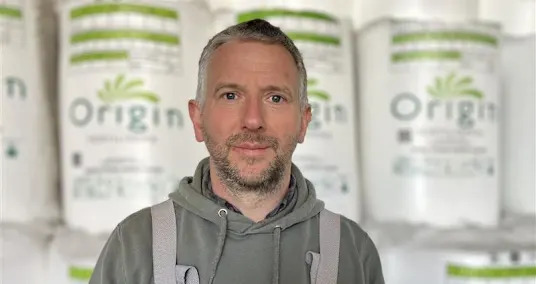
Richard Budd, a director at Stevens Farm in Hawkhurst, Kent, said the impact had seen the cost of fertiliser "double overnight".
Speaking to BBC South East, he said: "Last June, we bought some fertiliser for £350 per tonne, I went into the market today to buy some and it was £630 for the same amount.
"We're fine now as we've fixed our growing costs, but come September, when we go to put the next crop in the ground, we are going into a world of uncertainty if this goes on.
"We'll have to see a dramatic rise in the cost of wheat to make it financially viable for next year."

Last week, the National Farmers' Union (NFU) warned that food prices in the UK were likely to go up as a result of the conflict in the Middle East.
NFU president Tom Bradshaw said the price of cucumbers and tomatoes could rise over the next six weeks, with the cost of other crops and milk increasing in the next three to six months.
Speaking in the House of Commons on 19 March, the Farming Minister Dame Angela Eagle said: "We are well aware that events in the Middle East are putting pressure on input prices.
"I have talked to the chief executive officer of the Competition and Markets Authority.
"We are taking a close look at what is happening to ensure that there is no market abuse, and will keep a close eye on the situation as it develops."
Budd added: "This doesn't directly impact what we are doing at the moment, but we are dealing with an increase in diesel prises as well.
"When we sit down and plan next year, we will have to assess what we will grow and harvest.
"Things right now are just about ok."
Follow BBC Kent on Facebook, on X, and on Instagram. Send your story ideas to [email protected] or WhatsApp us on 08081 002250.
Related internet links
latest_posts
- 1
 ‘Serving is not just a place’: Bayside Church Granite Bay reimagines annual mission amid conflict in Mexico
 - 2Decrease in Home Buy Credits and Home loan Renegotiating Rates: An Outline of Latest things
- 3The most effective method to Comprehend the Variables Affecting Medical attendant Pay rates
- 4Staggering Spots to Stargaze All over the Planet
- 5Germany's Merz under fire in Brazil for his comments on Amazon host city of COP30


- Vote in favor of Your #1 4\u00d74 SUVs
- Very good quality Greens All over The Planet
- One-third of asylum applications by Iranians approved in Germany
- How to see the Ursids, the final meteor shower of 2025
- Strengthening through Wellness: Individual Preparation Achievement
- Hamas urges Hezbollah to kidnap Israeli soldiers in wake of Knesset passing death penalty bill
- The Ascent of Robots: Occupations That Man-made brainpower Might Dispense with
- Vote in favor of your Number one Kind of Gems
- Instructions to Perceive and Grasp the Early Side effects of Cellular breakdown in the lungs