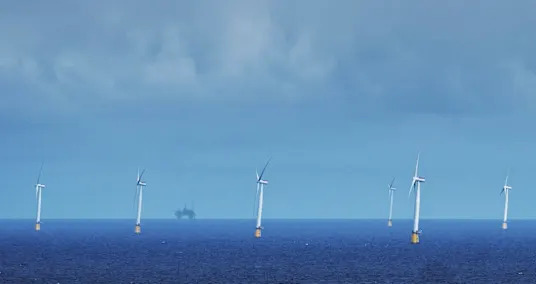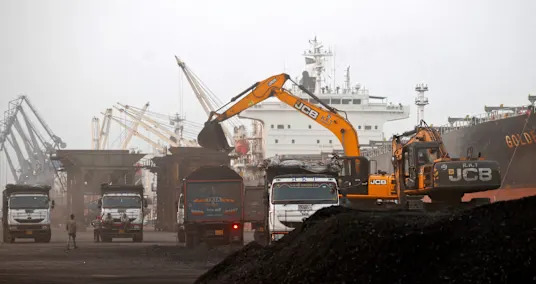
India’s much-delayed 2035 climate plan underestimates the country’s clean energy potential and allows for an acceleration of emissions growth, according to analysts. The plan aims to reduce the emissions intensity of its GDP by 47% from 2005 levels and increase the share of its electricity capacity from nonfossil sources to 60% by 2035.
The reduced carbon intensity target would, however, still allow India’s carbon emissions to increase by 70% over the next decade if GDP grows at a target rate of 7% per year, Lauri Myllyvirta of the Centre for Research on Energy and Clean Air told Semafor. That would translate to emissions growth of 5.5% per year, above the average rate of 3.5% over the past decade.
India is also on track to achieve its clean power capacity target well ahead of time: Its Central Electricity Authority projects that nearly 70% of power capacity will come from nonfossil sources by 2035-36.
“India’s booming clean energy industry is highly likely to deliver much faster progress than policymakers were prepared to commit to,” Myllyvirta said. Disruptions to oil and gas flows caused by the Iran war and the competitiveness of clean energy could strengthen the case for accelerating renewable deployment.
latest_posts
- 1
 Philippines evacuates 3,000 villagers after volcano activity raises alert level
 - 2Finding Ideal Date Spots for Two or three Encounters
- 3Ancient Egyptian pharaoh's boat is being reassembled in public at the Grand Egyptian Museum
- 4Fire Allegedly Triggered by Wedding Cake Sparkler Causes Venue to Go Up in Flames, Leaving Groom with Second-Degree Burns
- 5Winona Ryder didn't take the 'Stranger Things' plot lightly. How 'otherworldly' grief and a kidnapping in her hometown informed her character.


- 6 Useful Home Espresso Machines
- The 10 Most Progressive Logical Disclosures
- Energy security rifts widen in Europe
- Dutch police probe a small blast outside a pro-Israel Christian center
- 5 Food varieties to Remember for Your Eating regimen for Ideal Wellbeing
- Director of Swiss hospital describes the rush to treat the injured from Alpine resort bar fire
- Lebanese Shi’a party Amal competing, coordinating with Hezbollah, experts tell ‘Post’
- Party Urban areas of the World
- Which Carrier Do You Suggest? Vote