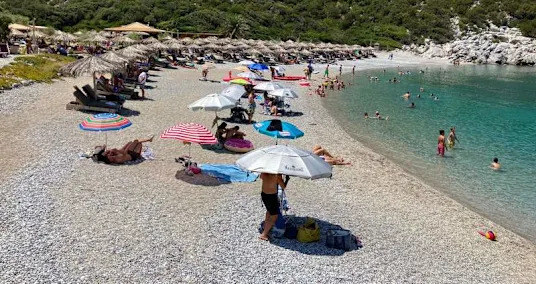
Greece and Cyprus are feeling the effects of the war in the Middle East as the holiday season approaches, with uncertainty over rising costs and economic developments causing concern across the hotel sector.
In Athens, industry representatives are observing a noticeable slowdown in reservations.
Travel agencies and hoteliers say many holidaymakers are hesitating and waiting to see how the situation develops.
Greek Tourism Minister Olga Kefalogianni spoke late last week of the psychological burden caused by the war, but also suggested that holidaymakers may concentrate on destinations considered safe — including Greece, which lies far from the actual crisis region.
Cyprus in contrast is closer to the conflict region and has experienced its effects directly: in early March, an Iranian-made drone struck the British RAF Akrotiri airbase near Limassol, causing minor damage.
The government in Nicosia has launched a package worth €200 million ($230 million) to cushion the economic consequences of the Middle East crisis.
In April, 30% of the wages of employees in hotels and other holiday accommodation will be covered. The government is also planning support for airlines.
Cypriot Tourism Minister Kostas Koumis said that the drop in tourist arrivals from several important markets such as Israel and several Arab states was particularly problematic.
latest_posts
- 1
 Vote In favor of Your Favored Kind Of Organic product
 - 2Russian strikes on Ukraine kill 5 people and wound 30 more
- 3Kids who get 2-month vaccines on time 7 times more likely to receive MMR shot: Study
- 4Top German court to rule on claims by Wirecard shareholders
- 5Swap The Amalfi Coast For This Low-Cost Ligurian Seaside Town





- Medical team successfully delivers baby and removes massive tumor
- Churches and politicians in South Sudan call for 'lasting peace' in Easter messages
- Coalition led by Iraqi PM al-Sudani wins parliamentary elections
- Jillian Michaels put me at the center of a body positivity debate. She's not entirely wrong about obesity.
- UK to hold fresh pork, other affected Spanish products at border amid African swine fever outbreak
- ‘We are the alternative’: Anti-Hamas Gaza militia tells BBC group is receiving international support
- Gym tied to outbreak of obscure disease that spreads through mist
- Nature's Treats: 10 Organic products That Lift Prosperity
- Mother and Stepson Rescued After Being Swept Over 6 Miles in Paddleboarding Mishap